All servicesRun · Creative strategy, Sydney
Creative strategy for ads and content, chosen on evidence rather than taste
Most ad creative is chosen in a meeting. Someone likes the blue version, someone else prefers the video, and the one with the loudest supporter goes live. Six weeks later nobody can say why results moved, so the next round is chosen the same way.
We plan creative as a set of written guesses about your buyers, produce work against each one, and judge it on the enquiries and bookings it brings in. What wins becomes the brief for the next round, and what loses is retired with the reason written down.
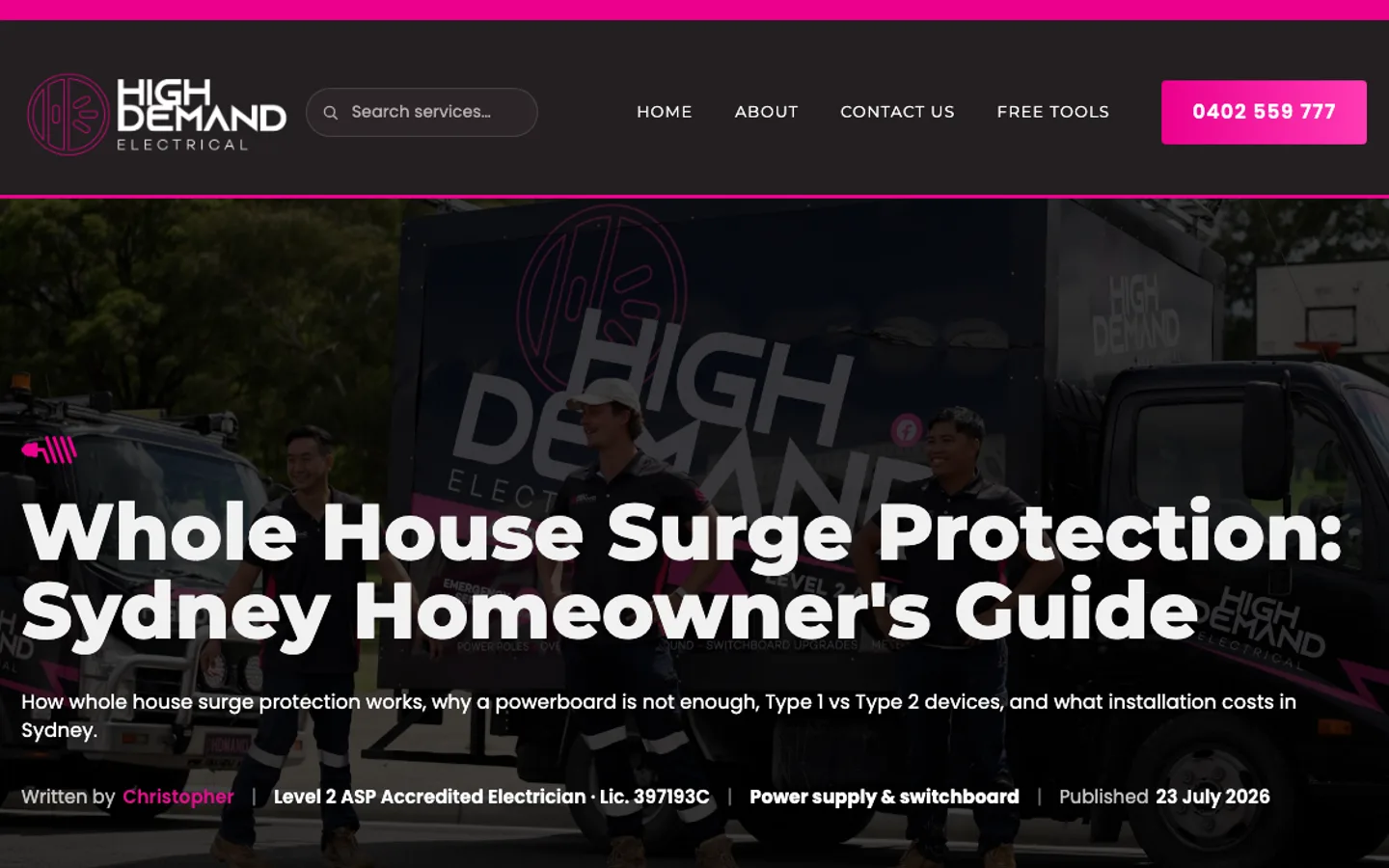
$40 per booked job, down from about $1,000. High Demand Electrical, a Sydney Level 2 electrician, with paid search and social judged together on cost per booked job, measured over 8 weeks against the previous 8. Read the case study.
We should be plain about what those numbers are. They are whole-programme results, not the result of a single ad or creative change, and we don't yet publish a client result for creative strategy on its own. What we offer is the method, and a clear statement of how your creative will be measured.
- 0.2% to 2% conversion rate
- for the same business, after the enquiry and booking forms were restructured and redesigned. The words and layout people land on matter as much as the ad
What is a creative strategy?
A creative strategy is the plan that sits between your marketing strategy and the ads, pages and posts your team makes. It says who the target audience is, what they need to hear to act, which creative concepts will carry that message, and how each piece of creative work will be judged against the business objectives. Without one, a creative team makes things that look good in a review meeting, and nobody can say afterwards which of them brought in the work.
It's different from brand strategy. Brand strategy and brand identity decide who you are and how you look over years; a creative strategy decides what this quarter's marketing campaigns say, to whom, and how you'll know if it worked. The two should agree, but you can run a solid creative strategy inside the brand guidelines you already have.
A creative strategy example
For a Sydney electrician, the creative strategy might be one page: the target audience is homeowners in three council areas with older switchboards; the core message is a written price before work starts; the creative concepts are a short video of a real switchboard swap, a before-and-after photo ad and a landing page with the quote form above the fold; and the measure is cost per booked job against the previous 8 weeks. That one page is the creative brief every designer, videographer and copywriter works from.
The core components of a strong creative strategy
In our experience a strong creative strategy has five parts, and if one is missing the work drifts: the business goals it serves (booked jobs, not engagement), a clear picture of the customer base and what stops them buying, one big idea the creative elements all point back to, a short list of angles to test against that idea, and the measure that decides which creative projects get more budget. It doesn't need to be long; most of ours fit on two pages, and the content strategy for social and email is built from the same angles.
Why creative needs a strategy
When a Meta campaign runs with broad targeting, as many small accounts now do, what the ad says and shows has a large say in who ends up seeing it. A tradie ad built around "same-day switchboard upgrades" will find a different audience from one built around "EV charger installs in the Hills". So the creative is no longer decoration on a campaign, it does a large part of the targeting.
That makes it the biggest lever in most paid social accounts, and usually the least measured. Accounts run on two or three tired ads for months. New ads are made when someone has time, not when the data says the old ones have stopped working. Nobody keeps a record of which message won, so the learning walks out the door when the designer or agency changes.
What creative strategy includes
Messaging research
What your buyers care about, in their own words. We read your reviews, listen to enquiry calls where you allow it, look at the search terms people use to find you, and talk to whoever answers the phone. The output is a short document of the reasons people buy, the worries that stop them, and the exact phrases they use.
The angle map
A structured list of messages to test, by audience and by stage. For an electrician, angles might be speed ("on site today"), price certainty ("written quote before we start"), compliance ("Level 2 accredited for your meter and service work") and local proof ("jobs we've done in your suburb"). Each angle gets a written expected result before anything is made.
Concepts and briefs
Ad, landing page and content concepts built from the angle map, with briefs a designer, videographer or your own team can work from. We write the copy, and we can produce most static and short-form formats. For shoots, we brief your team or a production partner.
Structured creative testing
Angles are tested in a planned way: a few variations at a time, enough budget behind each to read a result, and one variable changed at a time where that is practical. We don't run thirty ads at once and call the cheapest click the winner.
A creative playbook
Winning angles, the phrases that worked, the formats that didn't, and the reasons. It becomes the reference for every future brief, across ads, landing pages, email and sales scripts.
Real material beats stock
Across our client work, the most useful creative has come from the business itself.
Sam's Roofing Experts was rebuilt around the crew's own photos, with no stock imagery anywhere on the 130-page site, and a planned feed that publishes completed, photographed jobs onto the matching service and region pages. See the Sam's Roofing build.
For Tarino, we built a brand kit the team can use everywhere: imagery rules, marks and 22 ready-made social assets, kept in step with the live site. See the Tarino work.
For Static Computers, we built four design directions on identical content so the team could choose by seeing, not imagining. The same idea applies to ads: show the options in their real setting before deciding.
None of these is a measured creative result. They are the habits we bring to the work: real photos, real jobs, real proof, and options compared side by side.
How creative is measured
This is the part most creative agencies skip, so here it is in full.
- The outcome is set first. Qualified leads, booked jobs or sales, tracked through to your CRM or job system where possible. Not views, likes, reach or click-through rate.
- A baseline is recorded. Cost per qualified lead and cost per booked job from your current ads, before any new creative runs.
- Each angle has a written expectation. What we think it will do, and why, before it ships.
- Results are read against the baseline, over a long enough window to smooth out one busy week. Our client results are read over 8 weeks against the previous 8.
- Where spend allows, a holdout. A region or audience group that doesn't see the new creative, so we can tell what the creative caused rather than what a seasonal rise did.
- Platform numbers are a guide, not a verdict. Meta and Google both count conversions generously. We reconcile them with your own records.
If your spend is too low to read a creative test cleanly, we will say so and suggest fewer, bigger tests.
How it runs
- 30-minute diagnostic call. Your current ads, what you spend, and what you think is or isn't working.
- Written proposal. Scope, the result we expect, how it will be measured, cost.
- Listen. Messaging research from your reviews, calls and search data.
- Hypothesise. The angle map, each angle with an expected result.
- Produce and test. Concepts made and shipped in structured tests, with your approval on every ad before it runs.
- Codify. Winners go into the playbook and the next round of briefs.
AI agents handle the routine work through machine.work, our own platform: drafting variations from the playbook, monitoring fatigue, preparing the weekly readout. Your team approves every ad before it goes live.
Who it suits
- Advertisers whose results depend on a few ads that have been running too long.
- Businesses unsure which message their buyers respond to.
- Teams producing plenty of creative without learning anything from it.
- Businesses about to start on Facebook and Meta ads and wanting the messaging right first.
Client work
High Demand Electrical
High Demand Electrical is a busy Level 2 electrical business in Sydney. Its Google Search ads were costing about $1,000 for every booked job; that figure is now $40, measured over 8 weeks against the previous 8. Over the same period the enquiry and booking forms, once restructured and redesigned, lifted the conversion rate 10×, from 0.2% to 2%, and the blog went from 4 articles to 23 in three weeks, every one published by AI agents and checked on the live website. This is electrician marketing run as one programme, with SEO, Google Ads and the site all judged on booked jobs.View case study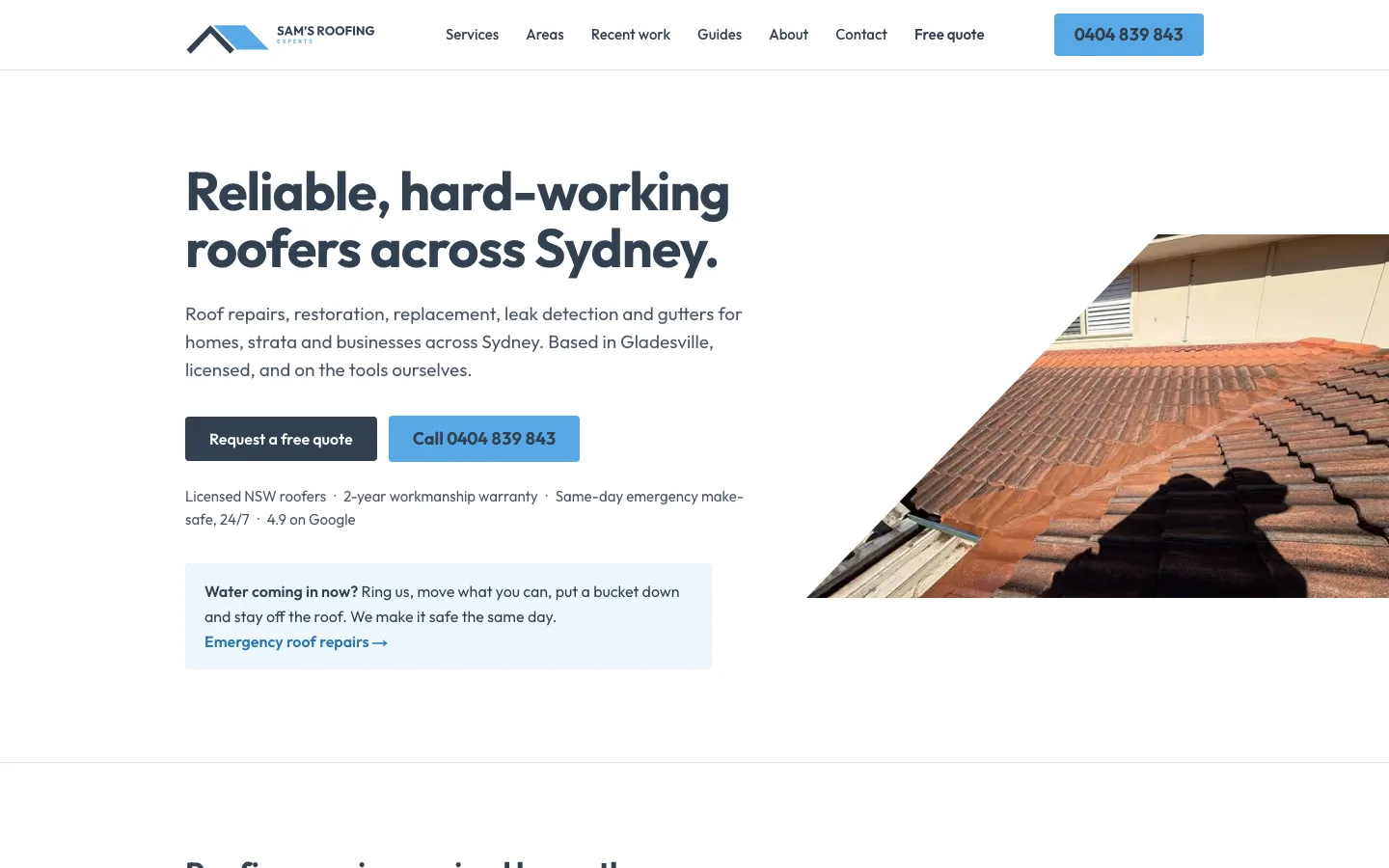
Sam’s Roofing Experts
From four pages to 130, with published price ranges. Sam's Roofing Experts is a four-person roofing crew in Gladesville. Their old website had four pages and every service was listed on one of them, so we rebuilt it as a 130-page search-led roofing website: a page for each service, a hub for each of nine Sydney regions, cost guides with published price ranges, the crew's own job photos and a free written-quote form. The site is built and launching on Sam's domain. We don't have measured results yet; we'll add them once the pages have been live long enough to compare properly with the old site. If you run a roofing business and want more calls from the suburbs you already work in, this is what we built and why.View case study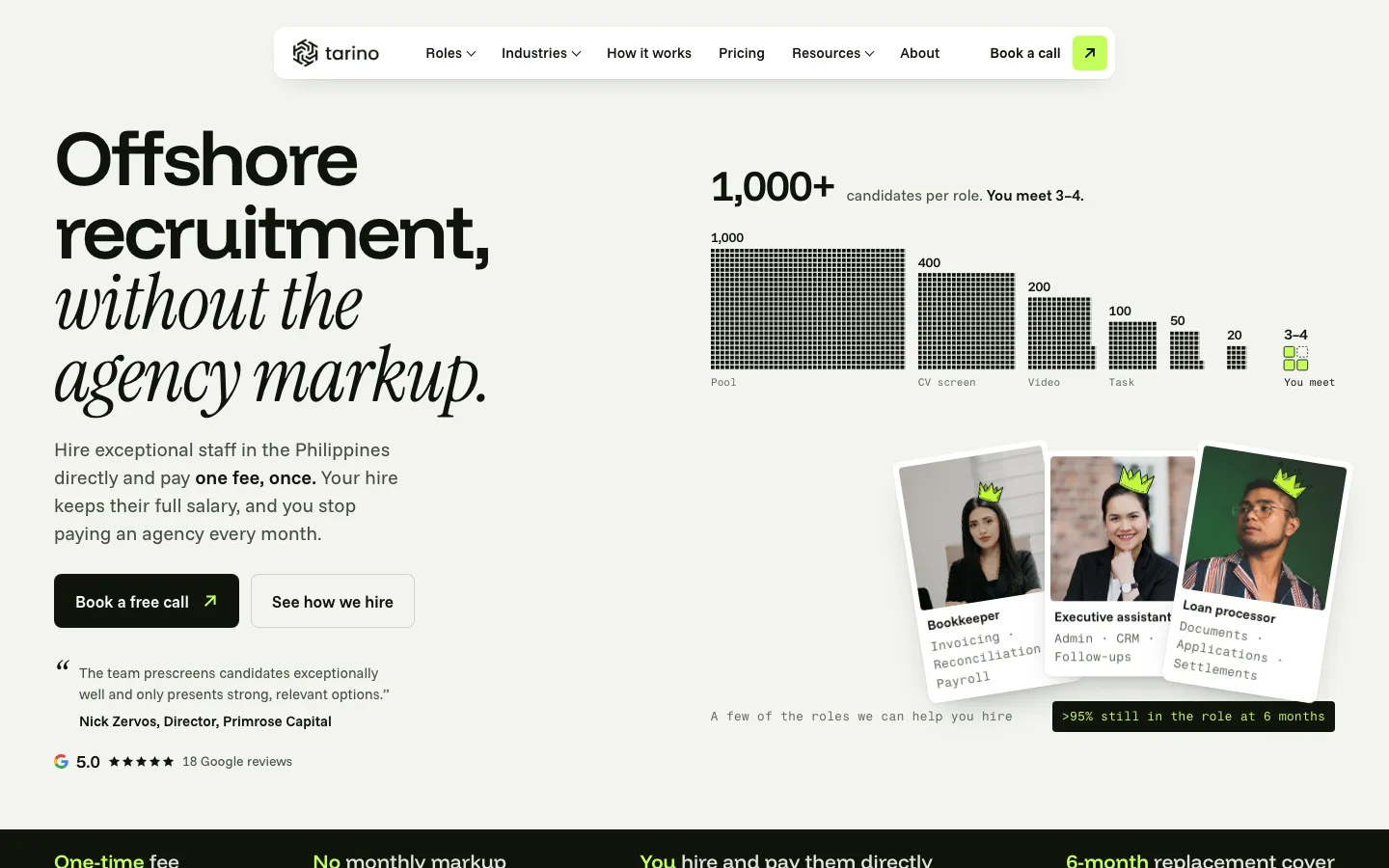
Tarino
Tarino is an offshore recruitment business that helps Australian small businesses hire offshore staff directly, without the agency markup. Its AI search programme, run day to day by agents, now brings in one lead a week. Around it we built a new search-led website on a plan of about 40 pages, a cost calculator, a brand kit and an AI sales agent that drafts outreach for the team to approve. The AI search programme is live and ongoing; the new website is built and launching, and the sales agent is launching.View case study
Questions
How much does creative strategy cost?
Creative production starts at $1,000 + GST a batch. Messaging research and the angle map are scoped and quoted in the written proposal. If we already manage your Meta or Google ads, creative strategy usually sits inside that work. For what ad spend itself costs, see our guide to Google Ads costs in Australia.
What does a creative strategist do?
A creative strategist turns customer needs and market research into the brief: which message, for which audience, in which format, and what result to expect. On our side that's the same person who reads the results, so the next brief is built on what actually happened rather than on what the creative director liked.
Do you produce the creative?
We write the concepts, copy and briefs and can produce most static and short-form formats. For shoots and longer video, we brief your team or a production partner.
Does creative strategy only apply to ads?
No. The same angles shape landing pages, emails, sales scripts and social content. See social media management and conversion rate optimisation.
How many ads should we be testing?
Fewer than most people think. A handful of clearly different angles, each with enough budget to read a result, will teach you more than dozens of small variations.
How do you know which ad worked?
We judge creative on qualified leads and booked jobs, read against a baseline and, where spend allows, a holdout group. Platform-reported conversions are checked against your own records.
Do you have creative case studies?
Not yet as a standalone result. Our published results, such as High Demand Electrical's cost per booked job, come from whole programmes across ads, pages and forms. We will tell you up front how your creative results will be measured and reported.
Do we own the creative?
Yes. Ads, files, briefs and the playbook are yours.