All servicesStrategy · Go-to-market strategy, Sydney
Go-to-market strategy for a new product, market or service
Most launches that disappoint don't fail loudly: the product is fine, but the first three months bring in enquiries from people who were never going to buy, usually because nobody pinned down the target market, the words that buyer uses, or which channel to open first. We write the go-to-market strategy (GTM strategy, if you prefer the short form) that settles those questions on evidence, and then help build what the product launch needs.
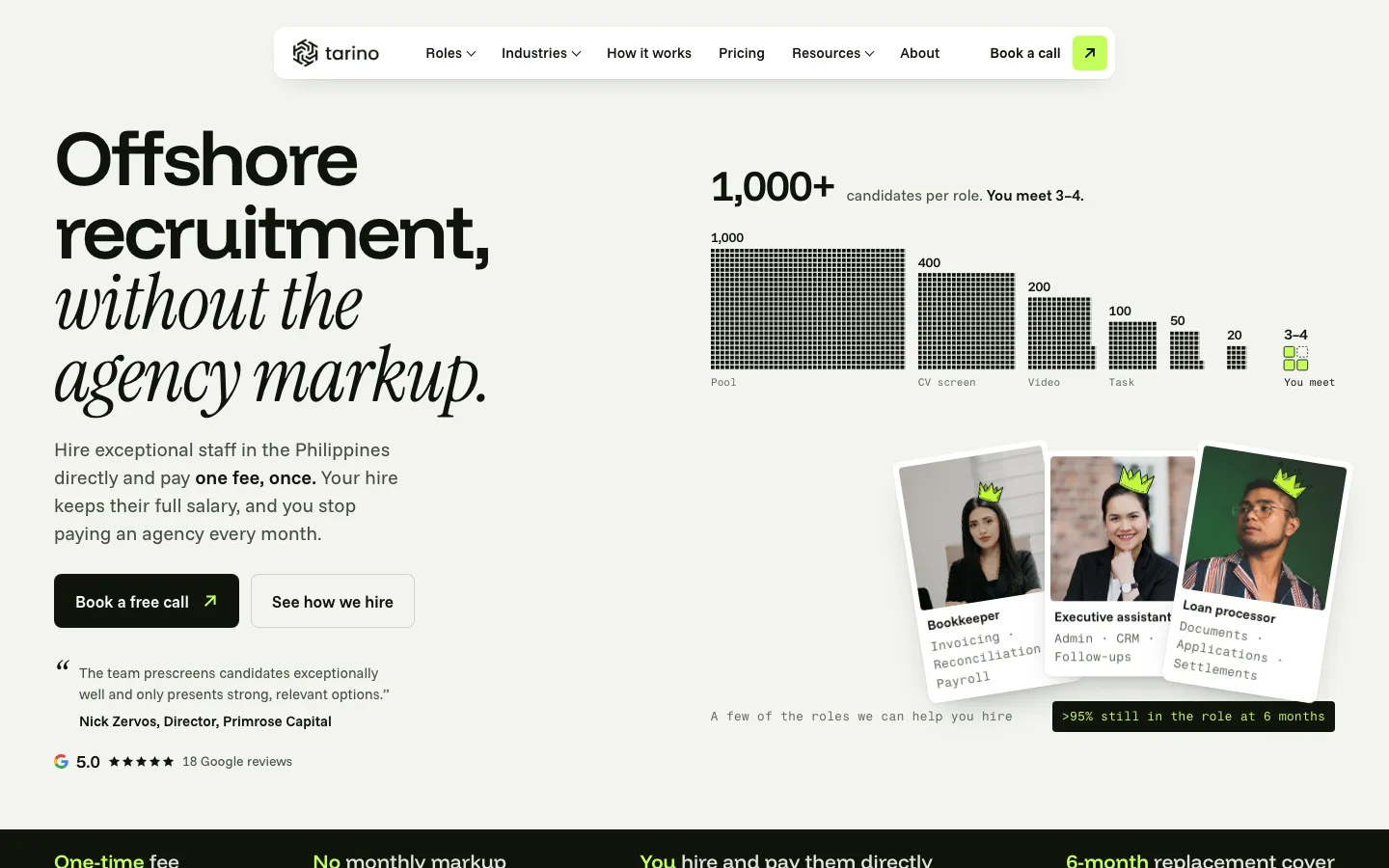
One lead a week from AI search for Tarino, an offshore recruiter we repositioned around the words its buyers actually search with. Read the Tarino case study
- $2.5M a month
- in revenue from a new market, scaled from launch in 12 months. Founder track record, before CGS · luxury travel marketplace
- 22 of 27 pages live
- for NexSys, an IT provider positioned to win architecture, engineering and construction searches
- Read the NexSys case study
What a go-to-market strategy has to answer
A go to market strategy is the plan for how a new offer reaches its first paying customers. It is narrower than a business model and different from a marketing strategy. A marketing strategy is ongoing work on brand awareness and demand generation; a GTM strategy is written before launch and also covers sales, pricing and distribution, plus a view on market readiness and timing, meaning whether buyers are already looking for a solution or still need convincing there is a problem. Strip away the frameworks and it answers five questions.
Who are the ideal customers to win first?
"Small businesses" is a target audience, and too broad to act on. We want a named customer segment with pain points they already know they have and a budget to fix them, for example practice managers at three-site dental groups, or IT managers at engineering firms with 50 to 200 staff. Your best existing customers usually tell you who that is, and we write it up as an ideal customer profile with a short buyer persona for each person involved in the decision.
What is the value proposition, in the buyer's words?
The promise, the proof and the offer, written in the words prospective customers use when they describe the problem to a colleague. A unique value proposition only counts as a competitive advantage if a buyer can repeat it after one read of the homepage.
Which marketing channels and sales channels open first?
One or two channels to start, and the ones to leave until the message is proven. That covers marketing channels (search, paid social, content marketing), sales channels (direct sales, partners, account based marketing for a short list of high value customers) and, for physical products, distribution channels.
What should a customer cost to win?
An expected cost per qualified lead, a customer acquisition cost per sale, a rough customer lifetime value, and the budget and people the launch will need, all written down before money is spent. If acquisition costs more than a customer is worth over two years, the plan changes before launch, not after.
How will you know it's working?
The key performance indicators to read in week four (enquiry rate, conversion rates from enquiry to meeting, cost per qualified lead and pipeline value against the control group) and the full result to read at month three (sales, sales cycle length, revenue growth, and whether those customers stay).
Most launch plans we see answer the first two with confidence and skip the last three, which is where budgets quietly go missing.
Common go-to-market mistakes
The one we see most is a launch with no written goal, so nobody can say in month two whether it's on track. Close behind is aiming at the wrong audience, which wastes spend and drags conversion rates down even when the ads look busy. Then there are teams that aren't aligned, usually marketing promising one thing while sales delivers another, and launches that go out before product market fit, which is the expensive one because every channel looks broken when the real problem is the offer. Skipping competitor analysis means you learn what buyers compare you with from lost deals.
If you'd like the full method with a worked example, read our guide to go-to-market strategy.
Who it's for
- Established businesses launching a new service line. An IT provider adding cyber security, a clinic adding a new scan type, a broker adding commercial lending.
- Companies entering a new city, region or industry. A Sydney firm opening in Melbourne, or a generalist provider going after one vertical.
- Teams whose offer is strong but whose message isn't landing. Good reviews from existing clients, and silence from new ones.
- Founders who need a plan an investor or board can check. Every move with a cost, an owner and an expected result.
It's a poor fit if the product isn't ready to sell or nobody will answer enquiries, and we'll say so on the first call.
What's included
Market research and competitive analysis
Conducting market research here is practical rather than academic: we pull search volumes for the terms buyers actually type, run a competitive analysis of the three or four providers buyers shortlist against you, and talk to recent customers and lost deals about their buying process. For Tarino this research found that in Australian search, "offshore recruitment" mostly means oil and gas crews. It had been competing for the wrong searches.
Positioning
Who you're for, what you replace, the one promise you'll be known for, and the headline, proof and offer for each buyer type. For Static Computers, a Sydney managed IT provider since 2006, it came down to one line: "IT that works, from a Sydney team that answers." Services were regrouped into four buckets (Support, Protect, Cloud and Advise). See the Static Computers case study.
Channel and launch plan
Which channels to open first, in phases, and what each is expected to deliver. A new service with existing search demand usually starts with search pages and Google Ads. A new market where nobody is searching yet may start with outbound and partnerships.
Pricing strategy and packaging check
Whether the price makes sense to the buyer you've chosen, and whether the margin survives the marketing costs of winning them. Tarino's buyers needed to see what a hire costs against an agency and a local hire, so a cost calculator went on the homepage.
Sales and marketing alignment
A launch stalls when the sales reps pitch a different promise from the ads. We write one sales strategy and one message for both, agree what counts as a qualified lead, and map the sales funnel from first enquiry to signed deal, so marketing efforts and sales efforts are judged on the same pipeline number.
How we run a go-to-market engagement
- 30-minute diagnostic call. What you're launching, and where.
- Written proposal. Scope, the result we expect, how it will be measured and the cost, in writing before you commit.
- Research. Buyer interviews, search demand, competitors and your own sales data.
- Position and plan. Positioning agreed with your team, then channels, sequence and an expected result for each move.
- Launch with a control. The first wave ships against a comparison group where possible, such as a holdout region or a set of pages left unchanged.
- Readouts. Early signals within weeks, customer feedback from the first deals used to refine the messaging, and the plan updated from what actually happened.
AI agents do much of the day-to-day launch work through machine.work, our own platform, with your team approving every action, and you own everything we build.
A worked example: entering a niche through search
NexSys provides IT and design technology to architecture, engineering and construction firms across Australia and Asia Pacific, but its website didn't say so, and location, industry and licensing searches went to generalist providers.
The go-to-market move was a 27-page search programme mapped to real searches: five capital-city pages, industry pages for architecture, engineering and construction, licensing guides and product comparisons. Where a new page would have competed with an existing one we rewrote the live page instead, so nine of the 27 replace pages that were already there, and every claim was checked against a fact sheet built from the client's own site.
As of October 2026, 22 of the 27 pages are live, with the remaining five ready for NexSys to publish. Read the full NexSys case study.
Why we write the expected result down first
Launches attract hindsight: if enquiries rise the strategy worked, and if they don't the market wasn't ready, and neither tells you what to do next. So every move in the plan carries the result we expect it to cause before it ships. Then we ship it against a control and read the gap. If the new message beats the old one in the regions that saw it, it rolls out everywhere; if not, the money goes to the next idea on the list.
Before founding CGS, Raahul Anura worked in big-three strategy consulting and then ran growth in-house at scale. One of those roles meant taking a new market from launch to $2.5M a month in 12 months at a luxury travel marketplace (before CGS, anonymised). We use the same method now at smaller scale, opening one channel at a time and funding what the numbers show is working.
What it costs
A go-to-market strategy is a fixed-scope Strategy engagement, priced in the written proposal before you commit.
- Go-to-market strategy engagementfrom $12,000 + GST, usually 12 weeks
- Landing pages and forms for the launchfrom $2,500 + GST
- A search-led site or page programme for a new marketfrom $8,000 + GST
- Ongoing launch work run by agentsfrom $5,000 + GST a month
For leadership beyond one launch, compare a fractional CMO and read what a fractional CMO costs.
Client work
Tarino
Tarino is an offshore recruitment business that helps Australian small businesses hire offshore staff directly, without the agency markup. Its AI search programme, run day to day by agents, now brings in one lead a week. Around it we built a new search-led website on a plan of about 40 pages, a cost calculator, a brand kit and an AI sales agent that drafts outreach for the team to approve. The AI search programme is live and ongoing; the new website is built and launching, and the sales agent is launching.View case study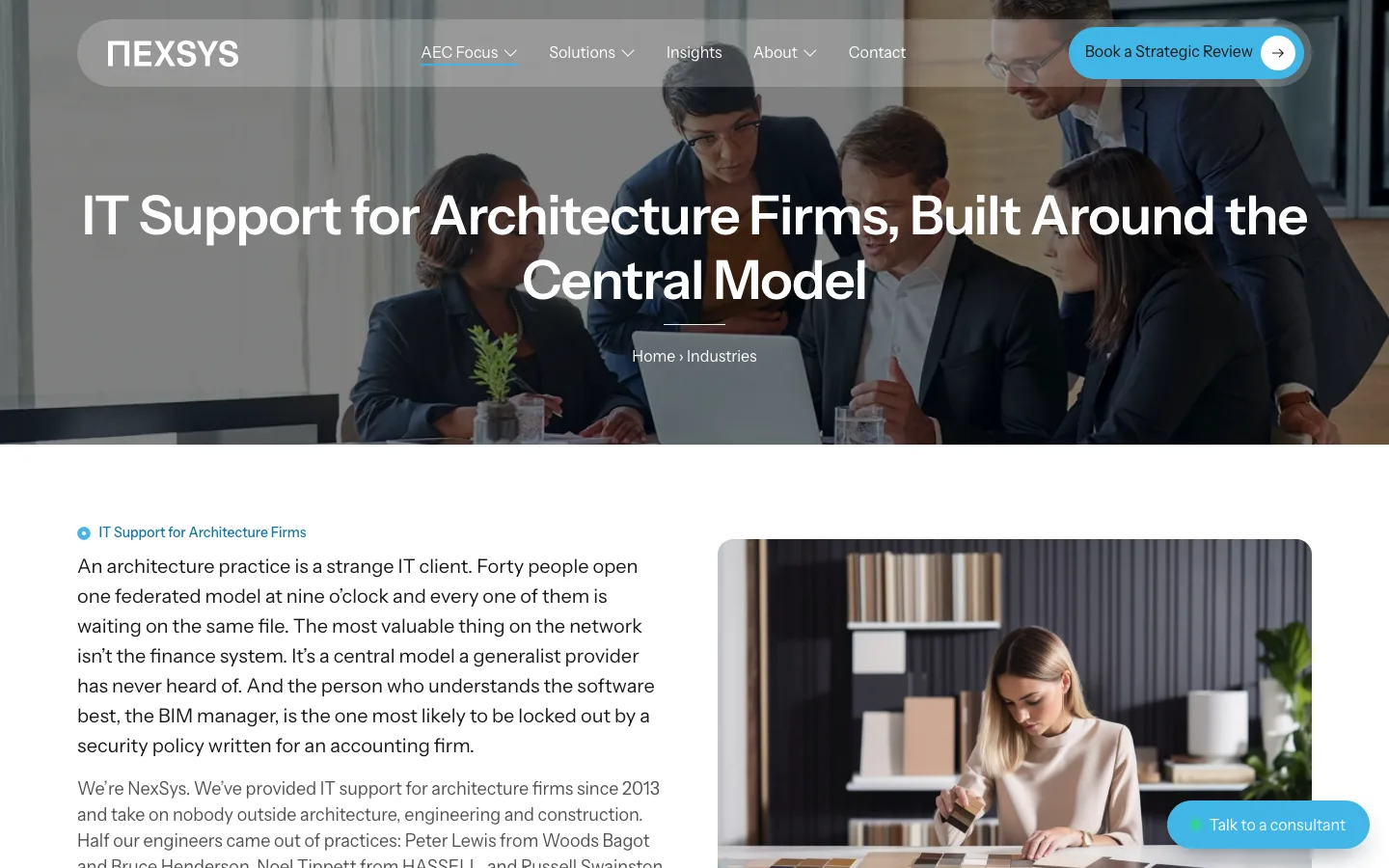
NexSys
NexSys provides IT support and design technology to architecture, engineering and construction firms across Australia and Asia Pacific. We planned and wrote a 27-page search programme to position it as the IT partner built for that industry, so an architecture practice searching for IT support for architects finds a page written for it. 22 of the 27 pages have been live on nexsysit.com.au since October 2026, and nine of the 27 rewrote pages that already existed instead of adding duplicates that would compete with them.View case study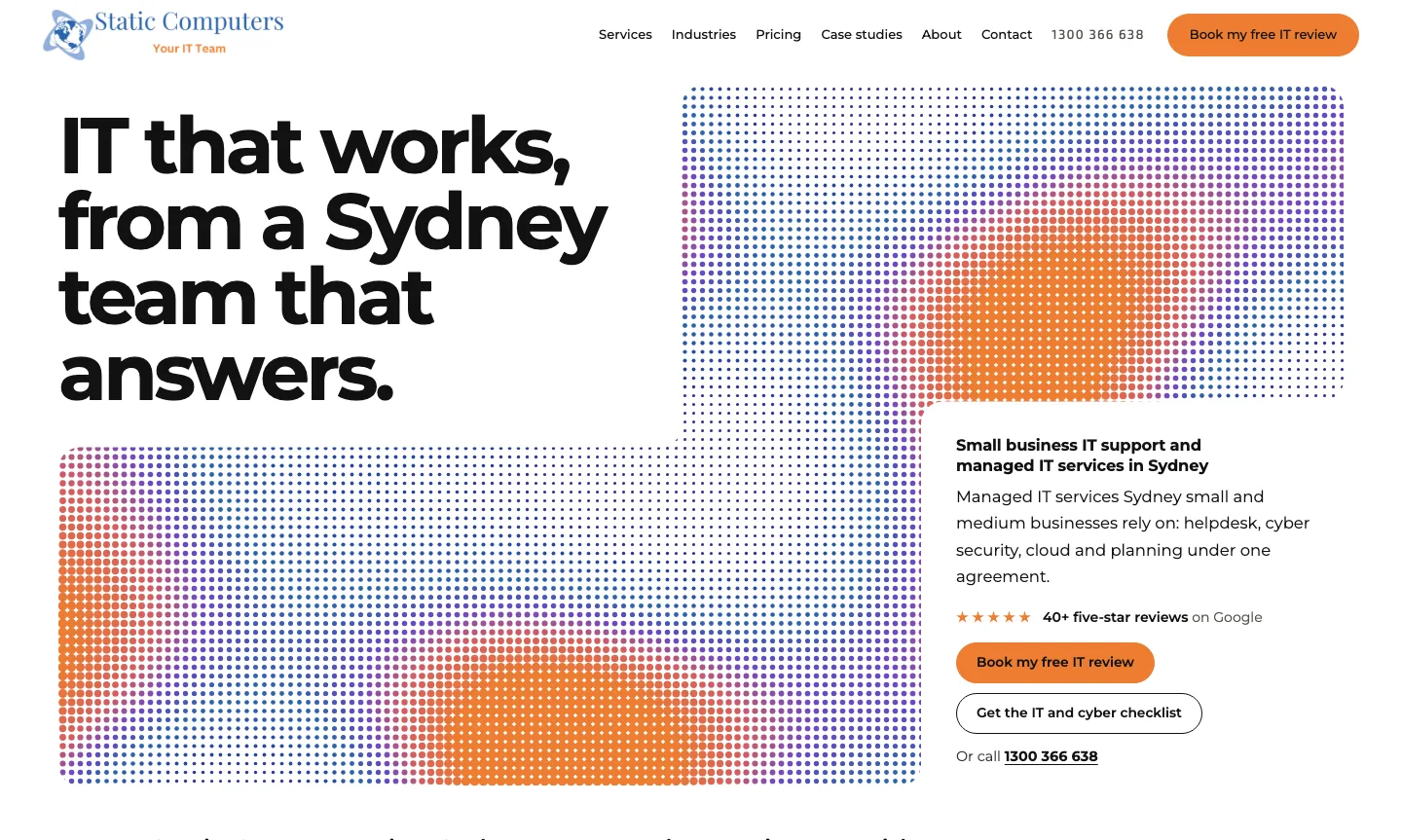
Static Computers
A new position, a search-ready site and enquiries that land in the CRM. Static Computers has run IT for Sydney businesses since 2006. We repositioned it around one promise, "IT that works, from a Sydney team that answers.", regrouped its services into four buckets, and rebuilt the site with service, industry and location pages, every old address redirected, and a call-back form that creates the contact and a task in its CRM. The site is delivered and launching on the client's domain. There are no measured results yet; we'll publish them once the site has been live long enough to read.View case study
Questions
How much does a go-to-market strategy cost?
Our go-to-market strategy engagement starts at $12,000 + GST and typically runs 12 weeks. Any build work is priced separately, line by line, in the written proposal.
What is a go-to-market strategy?
It's the plan for how a new product, service or market reaches paying customers, written before launch. Our guide to go-to-market strategy walks through one step by step.
How is this different from a growth strategy?
A growth strategy looks at the whole business and decides where growth should come from. Go-to-market is narrower: one new offer or market, and the plan to launch it.
Should we hire a go-to-market consultant or a go-to-market agency?
A go to market consultant usually hands over a strategy document; a go to market agency usually sells the campaigns that follow it. We do the strategy as a fixed engagement and quote any build separately, so you can run the plan yourself.
What if we haven't found product market fit yet?
Then the first job of the product launch strategy is to find out, cheaply. We would aim the launch at one small customer segment, measure whether those customers buy and come back, and hold off on the wider rollout until customer retention says the offer works.
How soon will we know if the launch is working?
Early signals, such as enquiry rate and cost per qualified lead against the control, usually show within weeks; a fair verdict on a new market takes a few months, and we agree both checkpoints in the proposal.